
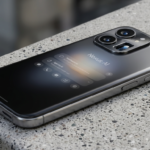
The Rise of the “Agentic” Flagship
The undisputed heavyweight champions of 2026 are the devices that successfully integrated Agentic AI. For years, artificial intelligence on phones was limited to “generative” tricks—editing photos or summarizing notes. In 2026, the best-selling premium phones shifted to “Action-Oriented” AI.
These devices feature processors built with on-device “edge” AI capabilities. Instead of sending data to a cloud, the phone processes your habits locally. The best-sellers this year are those that can autonomously book a hair appointment via voice, organize a messy calendar without being asked, or navigate complex third-party apps to fulfill a user request like “order my usual pizza for 7 PM.”
Key Hardware Trends in the Top Tier:
-
Silicon-Carbon Batteries: We have finally broken the “one-day battery” curse. The leading phones of 2026 utilize high-density silicon-carbon chemistry, allowing for 7,000 to 8,000 mAh capacities in slim frames.
-
Privacy-First Displays: High-end models now feature “active privacy” layers that make the screen unreadable from any angle other than a direct line of sight, a direct response to the “shoulder-surfing” concerns of modern urban commuters.
-
Optic-First Camera Systems: Rather than just adding more megapixels, the 2026 leaders have focused on variable apertures and physical periscope zoom lenses that rival professional equipment.
The “Value Reset”: Mid-Range Dominance
While the flashy flagships grab the headlines, the true volume of sales in 2026 has come from the “Value-Heavy” segment. In a global economy where consumers are holding onto phones longer (the average upgrade cycle has stretched to nearly four years), the best-selling models are those offering “Flagship-Lite” experiences.
The top-selling Android devices globally are no longer the most expensive ones, but rather those that offer a six-year software support commitment and modular re-pairability.
What Made a “Best-Seller” in the Mid-Range?
| Feature | Why it won in 2026 |
| Sustainability | Phones made with 50% recycled aluminum and easy-swap batteries became a status symbol for younger buyers. |
| Physical Durability | After years of fragile glass, the 2026 best-sellers returned to high-strength composite materials that don’t shatter upon impact. |
| Global 5G Standardization | Full integration of 5G across all price points, ensuring that even entry-level models have the speed of a premium device. |
The Foldable “Mainstream” Moment
2026 is officially the year the “crease” died. New polymer-based display technologies have finally eliminated the visible fold in the center of multi-screen devices. This breakthrough, combined with a 20% reduction in price for foldable components, has moved these devices from “luxury gadgets” to “productivity workhorses.”
The best-selling foldable of the year is a “clamshell” design that focuses on a massive outer screen. Users no longer need to open their phones for 90% of tasks; the inner screen is reserved purely for deep work, gaming, or cinematic viewing.
The Consumer Shift: From Perfection to Utility
One of the most surprising trends in the 2026 sales data is the rejection of “perfect” design. Consumer reports show that 65% of buyers are unbothered by small scuffs or a slightly thicker frame if it means the device is easier to fix.
The best-selling mobile of 2026 wasn’t necessarily the one with the most “innovative” features, but the one that felt most human. This means:
-
Minimalist Software: A massive backlash against “bloatware” and intrusive ads led to the success of brands that offer a “Clean OS” experience.
-
Digital Wellness Features: The top phones now include “Physical Disconnect” modes—hardware switches or deep software toggles that turn the phone into a simple communication tool (calls and texts only) to help users unplug.
The Future: What’s Next?
As we look toward the end of 2026, the market is already teasing the next frontier: Holographic Displays and Satellite-Native connectivity. While these aren’t the best-sellers yet, the groundwork is being laid.